Events
-
-
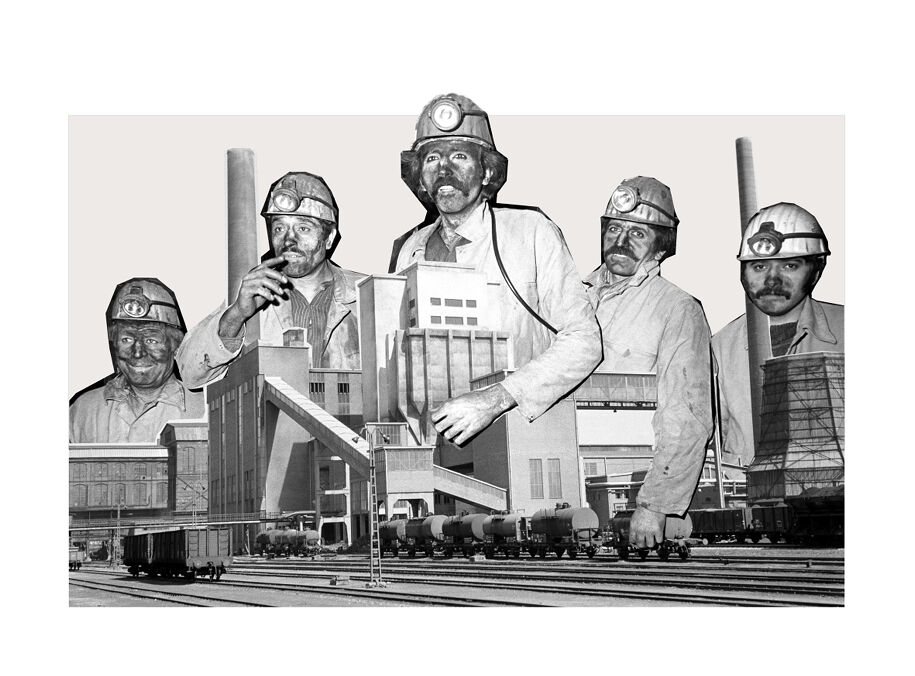
Pınar Öğrenci: Glück auf in Deutschland (Harvard Art Museum)
Harvard Art Museums 32 Quincy St, Cambridge, MA, United StatesReflect on memory, labor, and belonging in this first major U.S. exhibition by Pınar Öğrenci. Glück auf in Deutschland marks the first major exhibition in the United States by Berlin-based artist […]
-
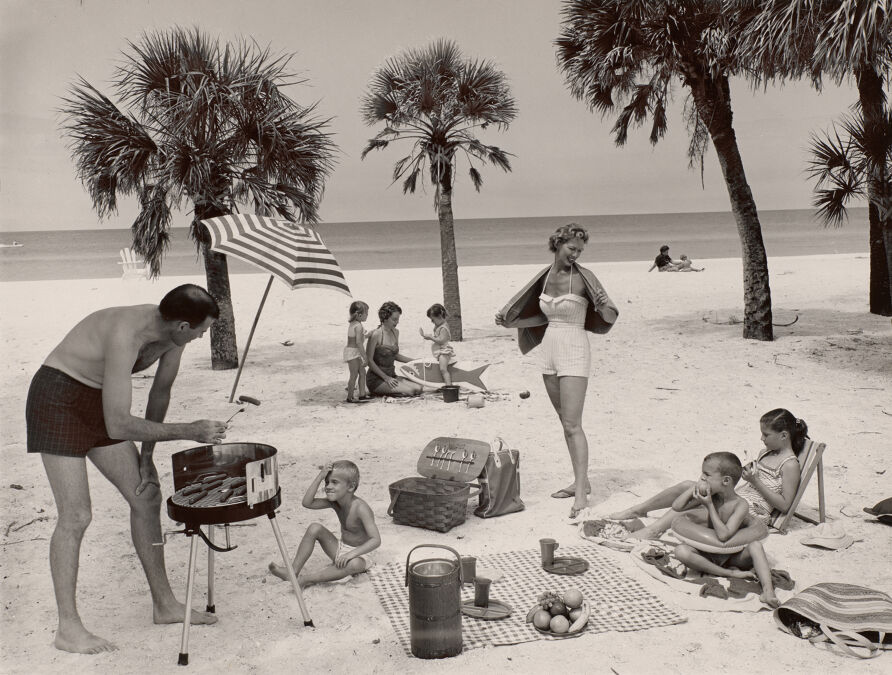
The Way We Never Were: The American Professional Photographers Collection (Harvard Art Museum)
Harvard Art Museums 32 Quincy St, Cambridge, MA, United StatesHow did photography construct cultural memories of postwar America? Life in the United States after World War II is often remembered as a time of prosperity, stability, and ease. The Way […]
-
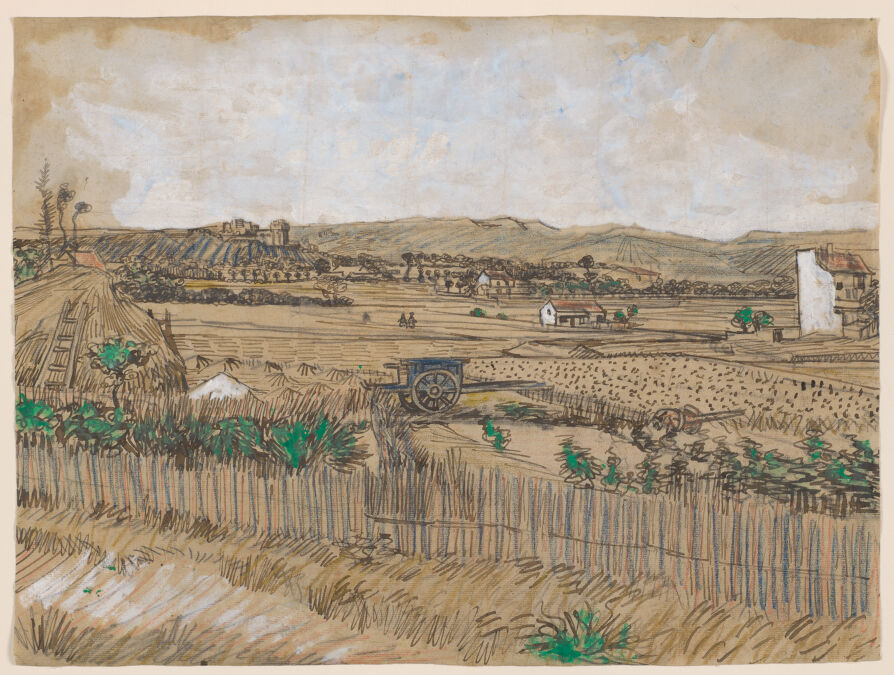
On Location: Drawing the Outdoors (Harvard Art Museum)
Harvard Art Museums 32 Quincy St, Cambridge, MA, United StatesDiscover how an intimate and reflective relationship with nature can shape artistic vision. Meander through visions of the outdoors to discover how landscapes offered 19th-century European artists freedom, renewal, and […]
-
Prayer Call @ Harvard Epworth Methodist Church
Harvard-Epworth United Methodist Church 1555 Massachusetts Ave, Cambridge, MA, United StatesFor years, Harvard-Epworth has had a prayer call on Wednesday mornings at 7:45 a.m. If you would like to join the call, dial in at 605- 468-8016 with entry code […]
-
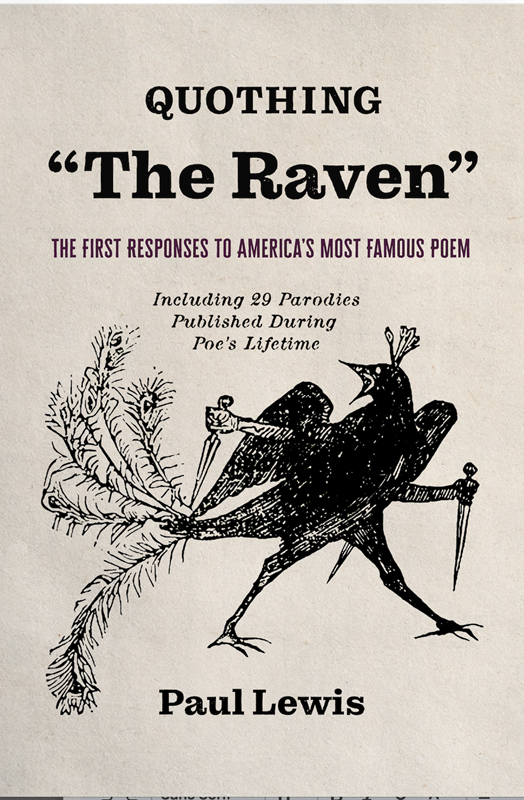
How “The Raven” Became America’s Most Famous Poem
Longfellow House Washington's Headquarters 105 Brattle St, Cambridge, MA, United StatesJoin us for this special book launch event with author Paul Lewis, on the 177th anniversary of the day Poe died in 1849. Copies of Quothing "The Raven": The First Responses to […]
Free -
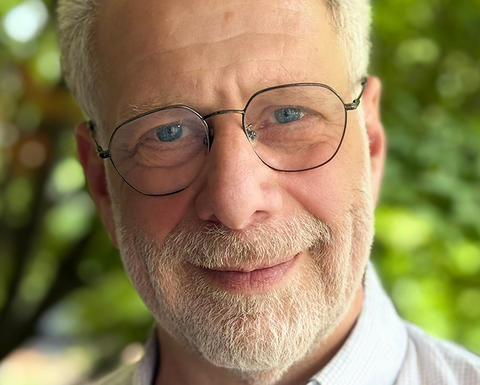
Daniel E. Lieberman at the Harvard Science Center
Harvard Science Center 1 Oxford St, Cambridge, MA, United StatesFree In-Person Lecture Harvard Book Store, the Harvard University Division of Science, the Harvard Library, the Harvard Museums of Science & Culture, and the Peabody Museum at Harvard welcome Daniel […]
Free – $40.04 -
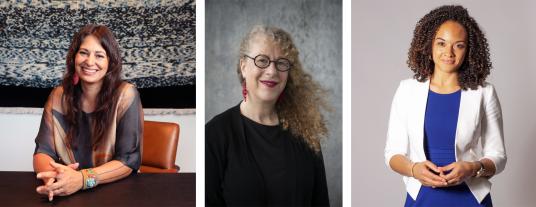
American Art Curators in Conversation
Harvard Art Museums 32 Quincy St, Cambridge, MA, United StatesRegister here. Join us for an evocative and exciting discussion around the possibilities and stakes of curating American art in the 21st century with three of the field’s most influential […]
Free -
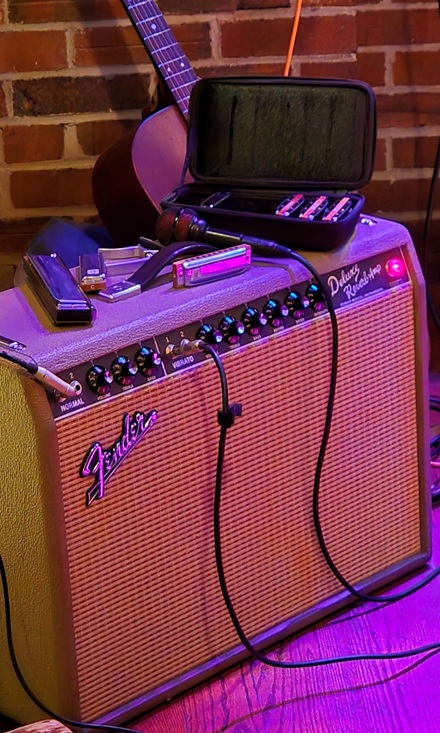
Live Blues & Roots Music Returns to Harvard Square: Wednesday Nights @ The Sea Hag Restaurant & Bar
The Sea Hag Restaurant & Bar and The Barrett Anderson Band are excited to announce a new weekly series, Blues & Roots Wednesdays, bringing live music back home to historic Harvard […]
-
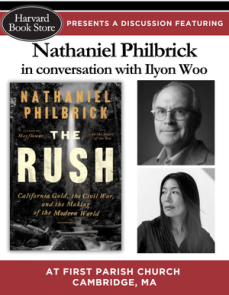
Nathaniel Philbrick at First Parish Church
First Parish Church 1446 Massachusetts Ave., Cambridge, MA, United StatesHarvard Book Store welcomes Nathaniel Philbrick—National Book Award winner and Pulitzer Prize finalist Nathaniel Philbrick, author of In the Heart of the Sea and Mayflower—for a discussion of his new […]
$16.74 – $48.24 -
Wednesday Study and Spirit: Bible Study at Harvard-Epworth
Harvard-Epworth United Methodist Church 1555 Massachusetts Ave, Cambridge, MA, United StatesWe meet at 7:00 p.m. in person in the library and online at https://zoom.us/j/92617849023 to explore different biblical texts and topics on Christian spirituality. Consult each week’s bulletin for details.